

If you think a good product is enough to build a great brand, look at Tesla. Or rather: look at what has been happening to Tesla since Elon Musk decided to become the mascot of the American alt-right. For years Tesla has been the wet dream of every tech-lover with a green conscience and a full wallet. Today? Many shun it, not because of the cars, but because of who represents them.
The article you are reading starts from a fact: the perception of Tesla has changed. No longer “car of the future”, but “Trump’s friend’s car”. And no, it’s not just a feeling: the numbers say it, the markets say it, the consumers say it. And they tell us a very clear story: if your brand becomes an extension of your personality, you’re in trouble when your personality starts sucking up to half the world.
From progressive status symbol to polarising symbol
Tesla was born with an aura of modernity: clean technology, elegant design, a saving mission. A brand that mixed Apple, Greenpeace and Ferrari. The target audience? Wealthy, educated, tech-lovers, environmentalists. People who wanted ‘a fast car that doesn’t kill the planet’.
Success was linked to two factors:
- an objectively innovative product (the Model S was a gem);
- an image perfectly aligned with the values of its audience: progress, sustainability, future.
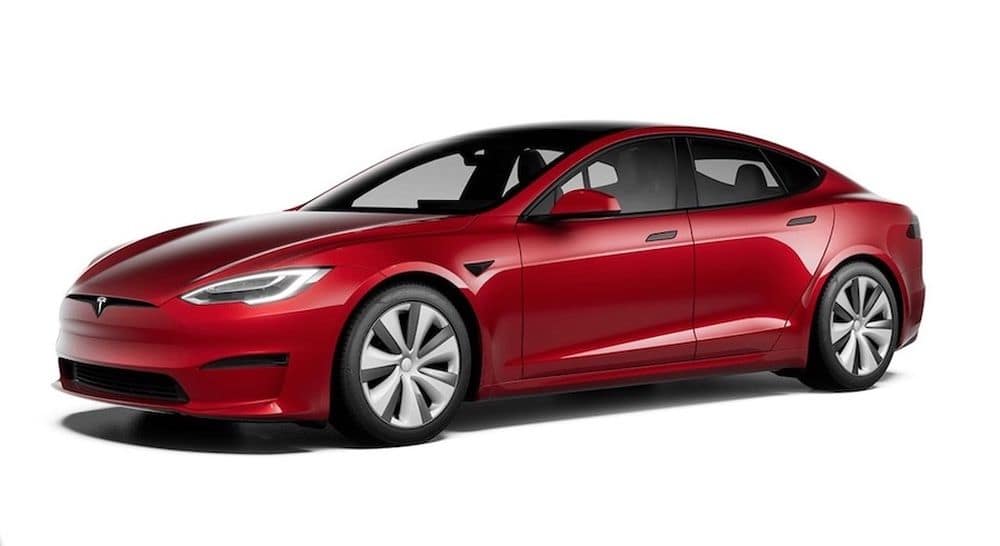
Then Musk came along. Or rather: Musk was always there, but he started to be there too!
The Musk effect: from admired genius to megaphone of questionable ideas
Initially, he was the rock-star CEO. A mix between Tony Stark and a more over-the-top Steve Jobs. But over time the character has devoured the professional: raving tweets, political endorsements, online trolling, populist statements. The result? Musk has shifted Tesla’s image from aspirational brand to ideological battleground.
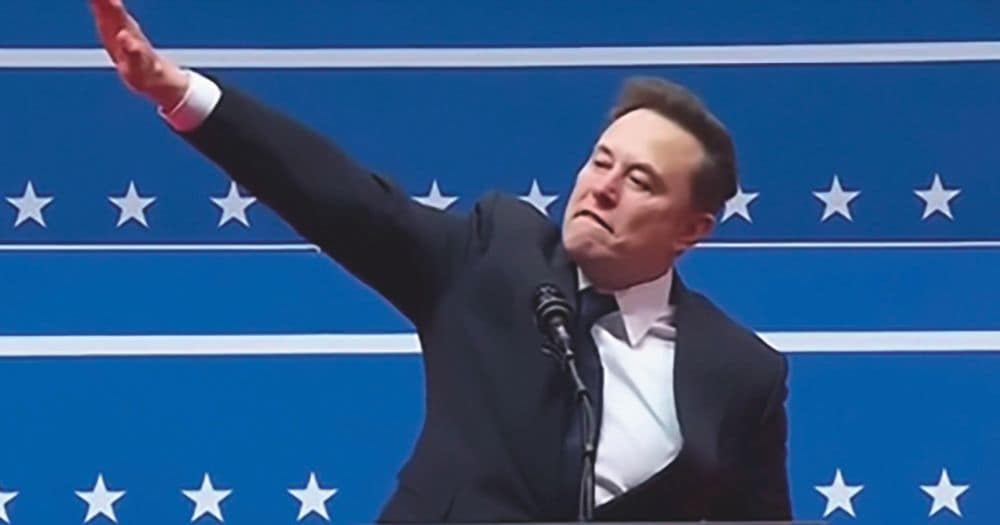
So: “if Elon Musk is the face of the brand, and Musk becomes the megaphone of the extreme right, what does Tesla become?”
Answer: a divisive car.
Tesla no longer as popular as before
According to data Latana (April 2025):
USA: net sentiment -11%.
- 37% have a negative perception of the brand (68 million people);
- only 26% have a positive perception.
- 31% state that their perception worsened in the previous month.
Germany: net sentiment -51%
- 60% have a negative perception; less than 10% positive.
- 58% have worsened their opinion within a month.
Who is moving away?
- USA: 26-35 years old (34%), men (33%), highly educated (36%)
- Germany: over 66 (61%), high income (-55%), highly educated (-53%)
This is also confirmed by Brand Finance:
Brand value:
- 2022: $66.2 billion
- 2023: $58.3 billion
- 2024: $43 billion (-26% in one year)
Consideration score (Europe): from 21% to 16%.
Recommendation score (USA): 8.2 to 4.3 out of 10
Brand perception is changing. This has its effects on the markets and in some of them (such as Germany) it is really collapsing.
But the product is still the same, isn’t it? Yes. And that is the point.
The cars have not deteriorated. Some, indeed, are still at the top in terms of software and performance. But whoever buys a car doesn’t just buy a steering wheel and four wheels: he buys a symbol!
And when the symbol changes face, the perception of the product also changes. Consumers, especially in the premium segments, want to identify with the brand. They want to feel represented. They want to buy something that speaks their language and shares their values.
Patagonia is the perfect example of a brand that has understood how to build a strong, consistent and… loved values-based identity. It doesn’t just sell jackets: it sells belonging, ethical choices, a way of seeing the world.
Whoever buys Patagonia does not just buy a technical outdoor product, but makes a statement of intent. It’s a strong statement: ‘I’m on this side’, on the side of environmental responsibility, social activism, manufacturing transparency. No cumbersome CEOs, no Twitter rants. Just consistency, credibility and courage. Result? Customers are proud to wear it. Because when you recognise yourself in a brand, you wear it as an extension of your identity. Patagonia, today, is this: a symbol. And symbols, if they work, are worth more than any technical feature.
Now the question is: how likely is it that someone would want to adopt Tesla as a symbol… TODAY?
The risk of identifying a brand with a person
Steve Jobs was the face of Apple, yes. But with a team, a corporate culture, a consistent product and almost obsessive image control.
Musk, on the other hand, has become the brand. Totally. And unfiltered. There is no division between Musk and Tesla: his every outburst is perceived as a corporate press release.
And this is dangerous.
A strong brand has its own voice, independent of the founder.
Tesla today does not have it. And until it starts communicating with an identity of its own, it will be hostage to its CEO. The reason? boh… I have no idea. A deliberate choice, Musk’s ego getting hungrier and hungrier, I don’t know this and cannot know this, but what is obvious is that the division I mentioned is missing.
Marketing is (also) social responsibility
This I know sounds bad. A cynical statement that only a monster like me could make! So let’s make them my words so I can sully my conscience for you.
Corporate Social Responsibility (CSR) is, to put it very simply, the way a company takes responsibility for having a positive impact on the world. It is therefore not just about making money, but also about doing the right thing: respecting the environment, treating people well, supporting social causes and acting ethically. In practice: don’t look good, but act good. And possibly do it consistently, not just to look good in LinkedIn posts.
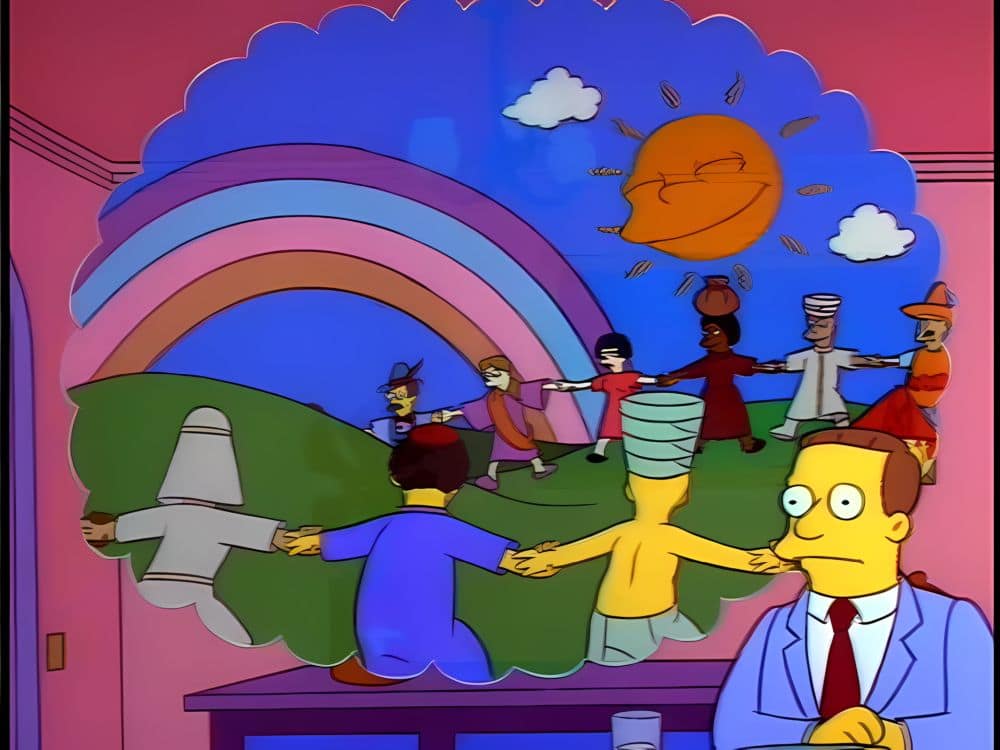
That’s in theory. Then in practice, what happens? that when companies realise that communicating a beautiful self to the world, showing themselves as the embodiment of important values, allows you to sell more… then OPS! That’s when CSR becomes marketing too.
And if you think this is cynical, do a Google search to refresh your memory on how many ‘sustainable’ companies sponsored the World Cup in Qatar. All companies that pay lip service to promoting change. But when FIFA and a few billion spectators are involved… it seems that sustainability is less urgent. That is why CSR, when it is just image, is worthless.
Today, a brand iswhat it represents in people’s minds. It is not enough to be innovative: you have to be relevant. And today, being relevant also means:
- having a clear value positioning;
- show social responsibility;
- create empathy with its audience.
Tesla has lost ground on all three fronts.
So what do we do?
As always, we try to learn. We try to distill from all this history some drops of wisdom to take home and apply to our daily lives.
What are these drops? I try to put them back in order:
- When the face of the brand becomes toxic, the brand also becomes intoxicated.
- Tesla was a symbol of progress. Today it is a symbol of polarisation.
- The problem is not the product. It is the context. It is communication. It is identity.
- A brand is more than a product: it is a shared narrative.
- Those who represent the brand should not be bigger than the brand itself.
- Values sell. Ambiguity, in the long run, does not.
- CSR is not an optional extra, it is an amplifier (for better or worse).
- Everything is communication. Always. Even silence.
Again: they seem to be valid concepts only when applied to scenarios as big as the world’s richest man taking the field alongside the president of the United States. Not so.
Every company should have its own brand identity, its own core values and its own unique way of presenting itself to the market. Every company constantly communicates something about itself to its customers, its employees, its investors, its suppliers, the local communities in which it operates, the media.
Now add brand identity to the concept of stakeholder communication and you will understand that EVERYONE should pay attention to what they are communicating about themselves before they expose themselves.
Before I leave you, I will insert here the links I used to find the data used in this article. Until next time.
- Latana: https://www.latana.com/article/teslas-reputation-under-pressure-new-survey-data
- Brand Finance: https://thefuturemedia.eu/teslas-brand-value-declines-by-15-billion-in-2024-amidst-leadership-and-product-concerns/
- Markets.com: https://www.markets.com/news/tesla-stock-trends-how-elon-musk-shapes-market-sentiment/
Hedges Company:https://hedgescompany.com/blog/2018/11/tesla-owner-demographics/