

Ms Valeria
I want to start this article by telling you a story This story features Michele Ferrero, an entrepreneur you may know from founding a small company named after him
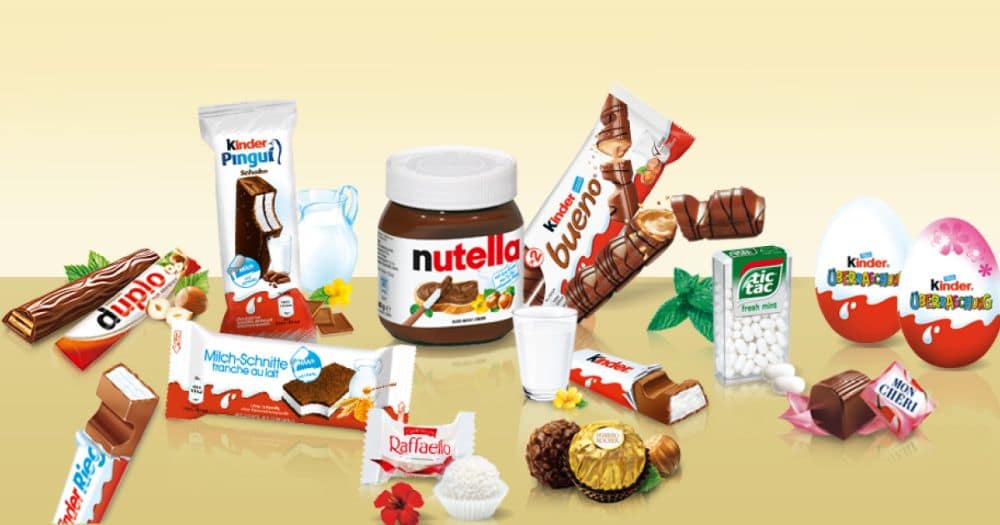
Let’s keep it short: Michele Ferrero was a genius. Ferrero anticipated by decades those modern marketing concepts that now populate guru books, blogs like this one, and university texts. And he anticipated them with a genuineness, authenticity and customer focus that should still be a model to follow today.
In an interview given to La Stampa (and which I strongly encourage you to read), Michele Ferrero, when questioned about his strategic choices, speaks very often about Ms Valeria
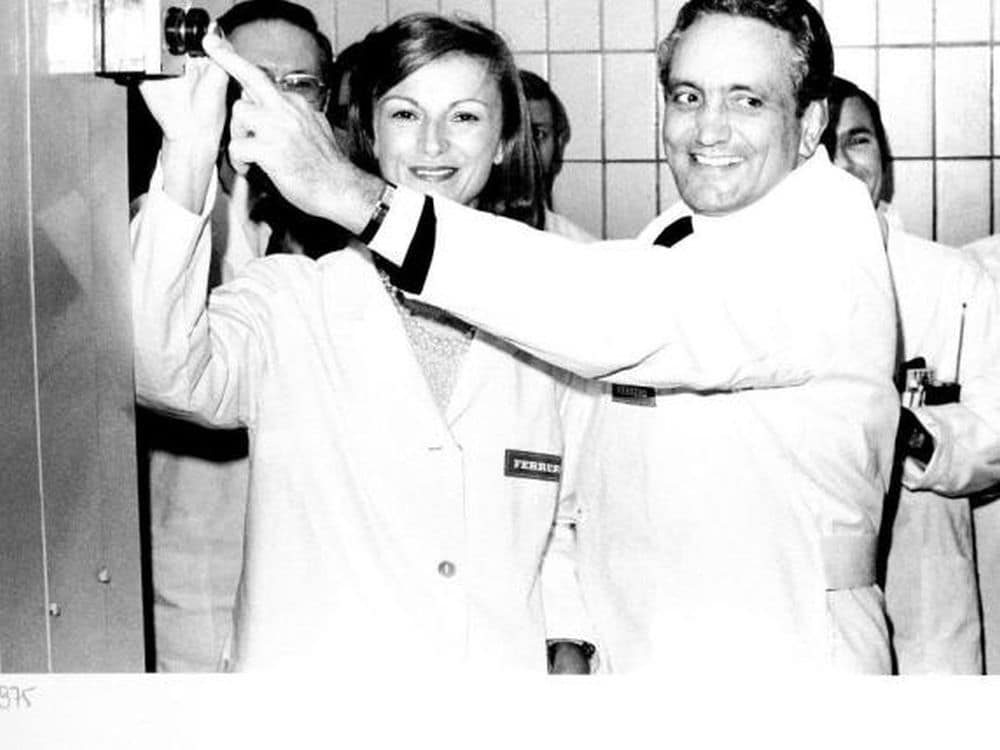
“My secret? Always doing different from others, having faith, holding on and putting Valeria at the center every day.”
But who is this Mrs. Valeria? His wife? A relative? A counselor? The answer is simple and brilliant at the same time: Ms Valeria never really existed, at least not as a physical person. She was an imaginary character, an archetype created by Ferrero to represent her ideal customer.
Did the concept ofbuyer persona come to mind?
In Ferrero’s mind, Ms Valeria was the shopping mom, the grandmother, the aunt, the woman in the 1950s who decided every day what to buy for her family. A concrete and real figure for him, whom he knew so well that he knew exactly what he wanted and expected from each Ferrero product. Ferrero did not simply imagine a customer, he lived in his shoes, understood his needs, fears and desires.
Did you happen to come up with the Empathy Map?
What makes this story so powerful is not just the idea of creating an ideal customer, but the way Ferrero took care to never let her down. He said, “Do you think that even today we still withdraw all of our chocolate product at the beginning of the summer, to prevent it from melting, to prevent Valeria from being disappointed and finding something that is not up to par. To prevent her from associating us with something loose, with something spoiled, with something not worth buying.” For Michele Ferrero, not betraying Ms Valeria’s trust was more important than any short-term gain. He was willing to sacrifice summer sales as long as he did not compromise his product’s image and, most importantly, the bond of trust he had built with his ideal customer.
Need I point out all that revolves around the concept of Customer Satisfaction and Brand Image?
I don’t know about you, but I remain amazed thinking about the genius behind the ability to anticipate theoretical models and frameworks, thanks to one’s personal insights, when there were no books and theories to study yet.
And I remain amazed to see how perfect this account is to show those who consider certain theories as “fluff” or “useless things,” that they are wrong, but very wrong.
Ferrero explained his philosophy this way: “Valeria is sacred, you have to study it thoroughly, carefully and never improvise. You have to have flair but also do a lot of motivational research”. Every product, every package, every commercial was designed to please her. If Ms Valeria would approve, then the product would be a success. If not, it would start over again.
Ferrero talked about Ms Valeria as if she were a real person because, to him, she was real. She represented all the women who did the shopping, all the women who every day decided what to put on the table for their family. And it is precisely this way of thinking that I think made Ferrero a marketing genius. He didn’t just sell products: he sold experiences, emotions, moments of happiness (I recommend you read also this article). And he did this without ever betraying the trust of his ideal customer. You don’t have to betray a client if you want to retain him. And also about retention we have already talked about it no (link) ?
A little bit of history?
So we talked about this Buyer Persona, but where did it come from?
I will preface this by saying that I have done a little bit of research but I am not 100% sure of the result of this research, I will tell you what seemed to me to be the most credited and most globally accepted thesis, if you have different information, please let me know.
The term buyer persona was officially coined by Alan Cooper in the 1980s. Cooper, known as the “father of Visual Basic” and one of the pioneers of user experience design, first used personas during the development of project management software. He needed to understand the needs and behaviors of end users to create an intuitive and easy-to-use interface. From this need came the idea of creating fictitious characters, based on real research, to represent ideal users.
Taking a few more steps back: Cooper’s insight was rooted in the cognitive psychology studies of the 1960s and 1970s, particularly the work of Donald Norman, who studied how people interact with everyday objects. Norman understood that in order to design a good product, it was not enough to focus on functionality, but one had to understand how people think, perceive, and act. Cooper turned this insight into a practical, operational tool, resulting in the first personas.
So: we are not talking about a tool to analyze strategies and communication, we are talking about a tool that was created to analyze the concept of “usability.”
From personas to marketing
Cooper’s personas were designed for user interface design, but the concept behind it was very easy to extend to other areas and in fact was soon adopted in the marketing world as well. In the 1990s, with the spread of the Internet came the need to personalize online experiences, and personas began to be used to segment customers and personalize advertising messages.
And that is where personas become BUYER personas.
Those in charge of marketing realized that it was no longer enough to segment audiences based on generic demographics such as age, gender or income. Something more detailed was needed, taking into account customers’ motivations, needs, and behaviors. This information became available a decade or so later with the advent of social media, which allows for the collection of information that also covers online behaviors, interests, values, fears, desires, etc. etc.
And if you think about it, all this was already intuited by Ferrero with his Lady Valeria.
He, too, did not just think of his ideal customer in terms of age or income: he knew her desires, fears, and expectations, and he built products that met those needs.
Tools to support the buyer persona?
Of very operational guides there are many, done very well too. I’d rather link you to a couple of very good ready-made resources than write yet another guide.
Here are a couple of good links that I recommend you look into:
- A guide from Hubspot – Get it here
- A guide from Marketing Insider Group – Catch it here
The focus of this article is not to explain to you how to build a buyer persona. The focus is to show you how important it is and how this theme is connected to other indispensable concepts. What are these themes that I want to connect to?
They are mainly 3:
- Empathy map
- Marketing Information System (MIS)
- Customer Journey
1. Empathy Map: putting yourself in the customer’s shoes
The Empathy Map is a very powerful tool that allows you to put yourself in your customer’s shoes, helping you to see the world through their eyes and understand what really motivates them.
If the buyer persona gives you demographic and behavioral data, the Empathy Map helps you understand your customer’s emotions, thoughts, and deep motivations. This is where you really make a difference.
The Empathy Map allows you to go beyond demographics and explore the emotional and psychological side of your customer. Why is this so important? Because people don’t just buy products or services, they buy experiences and emotions. And if you can understand your customer’s emotions, you will be able to create a message that really resonates with him. Above all: what are his concerns? his frustrations? what are his dreams? What are his hopes?
always remember that the reasons why people buy are always the same: solve a problem, satisfy a need or fulfill a desire.
Ferrero had already understood this with his Lady Valeria. He was thinking not only about what she would buy, but how she would feel buying that product. She worried that she would never feel disappointed or betrayed. “To prevent the Valeria from being disappointed and finding something that doesn’t measure up,” he said. Ferrero used an intuitive form of Empathy Map because he knew that emotions influence purchasing decisions much more than rational data.
I recommend that you explore the Empathy Map concept further by reading this dedicated article.
2. Marketing Information System (MIS).
To build an effective Buyer Persona and Empathy Map, you need accurate and up-to-date data. You can’t just rely on assumptions or hunches. And that’s where the Marketing Information System (MIS) comes in.
The Marketing Information System is that system that helps you collect, organize, and analyze all the information you need to make informed marketing decisions (and by “informed,” I mean, based on real facts, not made up in the air).
Long story short, if you don’t have data, you can’t build your Buyer Personas and Empathy Maps.
A good Marketing Information System consists of four main components:
Again: I could expand on this but I won’t because I have already done so. So if you want to explore this topic further, I refer you to an article I already wrote some time ago.
3. Customer Journey
I have already devoted an article to Customer Journey as well, so I don’t want to repeat myself. But I am interested in integrating this theme into a more complex system. A system in which each of the topics covered becomes a cog in the great marketing engine.
What does the Customer Journey have to do with Buyer Personas? The answer is simple: if the Buyer Persona tells you who your customer is and what they want, the Customer Journey shows you how and when they make their buying decisions. Together, they allow you to create personalized and relevant experiences.
Michele Ferrero understood this when he thought about his Lady Valeria. Not only did he know who she was, but he understood when and how to make his buying decisions. “The Valeria is sacred, you have to study her thoroughly,” he said. And he didn’t stop at imagining who she was: he thought about her entire buying journey, from the initial idea of giving a gift, to the moment he unwrapped the chocolate. Ferrero knew that taking care of Ms Valeria meant creating a perfect experience at every stage of her buying journey, from start to finish.
And when you take care of your Buyer Persona the way Ferrero did with Ms Valeria, the result is a Customer Experience so positive that not only will the customer come back to buy (Loyalty), but he or she will turn into an active promoter of your brand, enthusiastically talking about it to friends and family (Advocacy).
Just like Ms Valeria, who not only bought Ferrero products, but recommended them to other moms, helping to build a brand that has spanned generations. And every entrepreneur should do the same, using Buyer Persona and Customer Journey together to create memorable experiences and turn your customers into enthusiastic ambassadors of your brand.
And even here, I remain amazed at the brilliance of this insight that anticipated by decades the concepts found today in those books we have college students study and that professionals sell to clients on a daily basis.
We conclude: THANK YOU MS VALERIA
It is truly amazing to think that behind the intuition of Ms Valeria lie some of the most modern and important concepts in marketing. Michele Ferrero, with his genius, had it all figured out, even before those concepts were put down on paper.
When he talked about Ms Valeria, he was not just imagining an ideal customer. He was, without even knowing it, putting into practice some of the fundamental principles of modern marketing:
- Use a Marketing Information System (MIS) to gather valuable data and information about customers, anticipating their needs and wants.
- Create Buyer Personas that are realistic and detailed, to fully understand who customers are, what they want, and what motivates them.
- Use the Empathy Map to get into the mind of the customer, understand how they think, how they feel and how they make their decisions.
- Study the Customer Journey to analyze each touchpoint and optimize the overall experience, guiding the customer throughout the buying journey, from awareness to advocacy.
- Putting this all in the service of Customer Satisfaction, creating a positive and impactful experience at every stage of the Customer Journey, with the goal of never disappointing the customer.
I will repeat myself, but I want to reiterate: Michele Ferrero had already guessed all this, without the need for complicated theories or sophisticated tools. In the end, it all comes down to a simple but very powerful lesson: put the customer at the center, exactly as Ferrero did with his Lady Valeria. And it is this genuine attention to the customer that transforms a simple buyer into a loyal customer, and a loyal customer into an enthusiastic brand promoter.
And now I have a craving for Nutella….