

Keeping up with every single customer, one by one, is a feat. You may be able to do it in the beginning, but as soon as the business grows, it becomes an unmanageable chaos that takes up a lot of staff and, let’s face it, costs a lot of money. And what is the alternative?
Here the kettle falls. If you choose to NOT do it, customers will feel neglected. They will forget about you. And they will turn to those who do remember them, those who ‘pamper them’ and make themselves perceived as sensitive to their customers’ needs. If, on the other hand, you try to do it roughly, perhaps by sending too standardised messages, you run the risk of just spamming, annoying your customers (who already receive daily phone calls from some call centre inviting them to invest in strange products or change their energy plan) and damaging your reputation.
Here is the dilemma: not communicating makes you lose customers. Communicating badly, too. You must not only communicate, but you must do it well. And this is where automation comes in. Not as a cold, robotic replacement, but as the only strategic way out of this nightmare. But, as we shall see, only if we have done our homework first.
You must always be there
Always being there does not mean becoming petulant and pushy, it means giving customers the communication that is relevant to them. A customer who does not receive a quick response to a trivial doubt is a customer who feels ignored. And an ignored customer is one click away from buying elsewhere. Automation allows you to guard these critical moments.
But beware: a chatbot can only respond 24/7 if it knows what to say. And it only knows if you have analysed real conversations and identified the most common questions. A confirmation email only reassures the customer if it arrives at the right moment in their customer journey, a journey you must have carefully mapped out.
Automating these communications is not a cold act, but a strategy for not losing customers along the way, anticipating their needs because you have studied their behaviour.
You have to know each and every one of your customers
Here we touch the heart of the problem. Automation, powered by solid data, allows you to personalise communication on a large scale, thus avoiding the spam trap.
This personalisation, however, does not improvise. It is the result of meticulous profilation within your CRM.
- Sending a relevant offer means you have tracked the purchases and interests of that customer.
- Suggesting a related product only works if your system knows what they have already bought or looked at.
When an automatic message is so specific, based on real data, it stops being perceived as an intrusion. It becomes a useful service, a tailor-made advice that strengthens the relationship instead of annoying. It is the only way to be remembered in a positive way.
You have to free your human resources
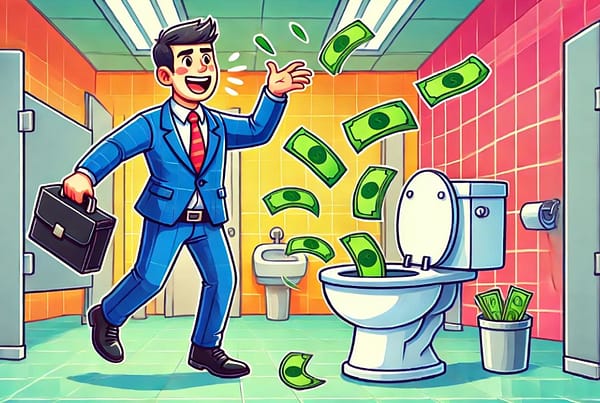
Now let’s talk about money. How much does it cost to have people dedicated to answering repetitive questions or manually sending reminders? A lot. It is a huge cost in terms of time and wages, resources that could be invested in higher-value activities.
Automation takes over these tasks, but only after you, through careful analysis, have defined what they are. What are the stages of the journey to be attended to? What are the most common requests? Once everything is mapped out, you can automate the ordinary and free up your team.
This way your staff, no longer overwhelmed by mundane tasks, can finally focus on critical situations: handling a disgruntled customer, cultivating a strategic relationship, developing new ideas and doing all those things that will make your staff feel even more stimulated and motivated. Automation cuts the costs of inefficiency and allows human resources to focus where they really make a difference.
OK, so? Tools and strategy
Tools are only the executors of a plan. And the plan, to work, needs a logical sequence of elements:
- CRM and Marketing Automation platforms: The starting point. They are the containers where you have to collect and organise all the information about your customers. Without a well-structured CRM, you are navigating by sight.
- Analysis and Strategic Consulting Services:Here is the missing link. A CRM full of datais useless if the numbers remain ‘cold’. An intermediate step is needed: a service or consultant who analyses that data and turns it into operational insights. This strategic ‘translator’ examines the CRM, identifies audience segments, maps the customer journey and defines which messages to send, to whom and when.
- Help desk, chatbots and automated messaging: Once the strategy is defined, these tools become your real operations. They perform the tasks you have defined: they answer FAQs, send personalised and timely emails, handle requests, etc.
Addressing these issues is not just a question of efficiency. It is a strategic necessity. The approach we have seen (collecting data, analysing it to create a plan and then executing with automation) is a real driver for business growth.
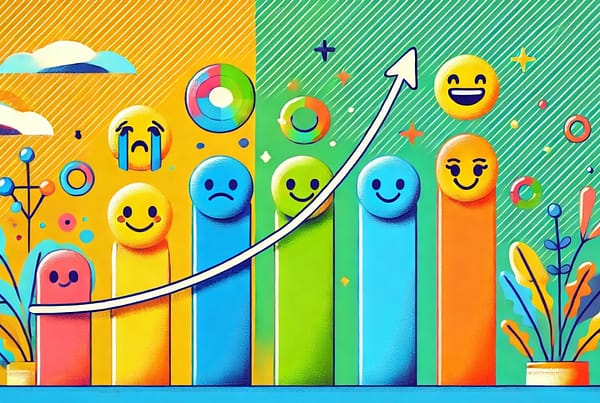
The result is not just getting things in order, but achieving concrete benefits: customer retention improves because customers feel heard and served with relevance. Branding is strengthened because every useful interaction builds a caring and trustworthy brand image. It is the most effective way to plug holes in your funnel, recovering customers who would be lost along the way, and to drastically increase customer retention.
All this, which used to be a luxury exclusive to large companies with stratospheric budgets, is no longer the case. The tools and strategies are within everyone’s reach. They are no longer an ‘optional extra’ for the few, but a fundamental element for any SME that needs to grow in a structured and sustainable way.