


We have already talked about how important it is to study the culture of the people who make up our audience.
Marketing is full of cases where this has not been done.
It is full of cases where even big brands have underestimated the issue, severely damaging their brand. Mistakes due to lightness in sensitivity to hot topics related to multiculturalism and the specifics that are required when particular messages are to be conveyed.
We today (and in the next article) talk about lack of sensitivity to issues such as:
- racism
- body positivity
- current affairs and civil movements
- politics
- emancipation
- respect for traditions
In a previous article, we also briefly mentioned a couple of case studies that, for the sake of readability, might be worth delving into further: we’ll do that today!
Dove – Real Beauty
Let’s start by talking about Dove’s Real Beauty campaign. Dove launched this campaign in 2004 in response to the findings of a major global study, The Real Truth About Beauty: A Global Report (I’ll post a link but unfortunately it is not the link to the original report, which is now almost unobtainable), which had revealed that only 2 percent of women worldwide described themselves as beautiful (Etcoff, Orbach, Scott, & D’Agostino, 2004).
The main message of the Dove campaign is that women’s unique differences should be celebrated.
This was the starting point of the campaign! Do you remember when we talked about the empathy map? (In case you don’t remember, I refer you to my article here. There we were analyzing, using the empathy map method, everything that surrounds an audience, in order to get to the bottom of their goals and problems. We could say that Dove did the same thing, identified a “pain” and built on it an advertising campaign that has followed this thread for 20 years. A marketing campaign that alternates between moments of excellent communication and slips like the one we are about to talk about.
But back to us, the starting point was the “pain” related to the 98 percent of women who do not see themselves as beautiful.
The year 2017 arrived and the Dove “Real Beauty” campaign aimed to “celebrate the natural physical variation embodied by all women and inspire them to have the confidence to be comfortable with themselves.”
Dove’s goal was to celebrate natural beauty. The beauty of every woman. But what was the message perceived by people?
I provide the link to the “full” commercial, still available on YouTube
But what happens if the social media manager posts it cropped showing only the first two frames? What happens is that the commercial, seen on social media, shows us a black woman who, after using Dove soap, “cleanses” herself by turning white.
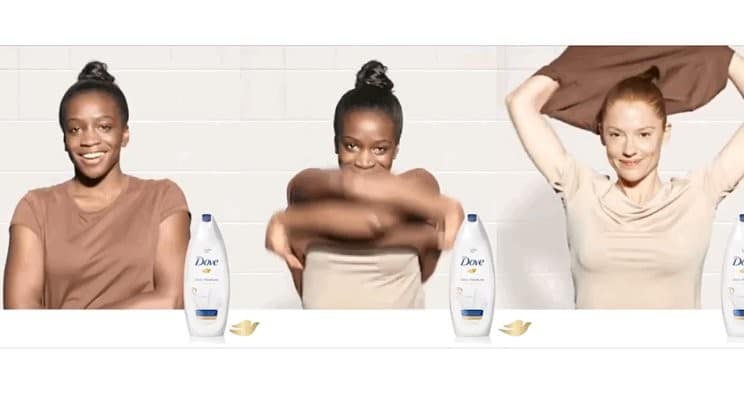
The problem was that this was not the first time. Dove, in trying to walk this line of communication, had stumbled before in 2011
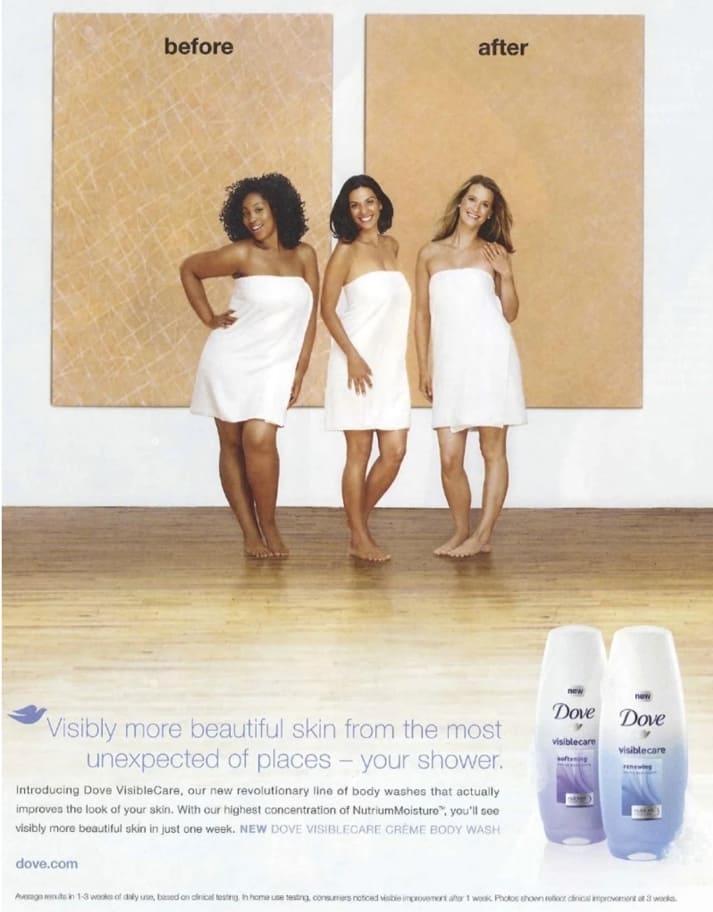
On that occasion, the controversy was caused by a graphic problem: the real “message” of the campaign was in the background, showing the gradual improvement of the skin after using Dove products. But, of course, what immediately stands out is what is in the foreground: three women, whose skin tone gradually becomes lighter.
The intended message was something along the lines of “improve your skin, regardless of skin type,” but evidently things were communicated in the wrong way. At this link is a nice in-depth discussion of this miscommunication and also an interesting video from Good Morning America .
Crisis Management
How did Dove respond to this “crisis”? By apologizing, explaining its intentions, and removing the offending ads.
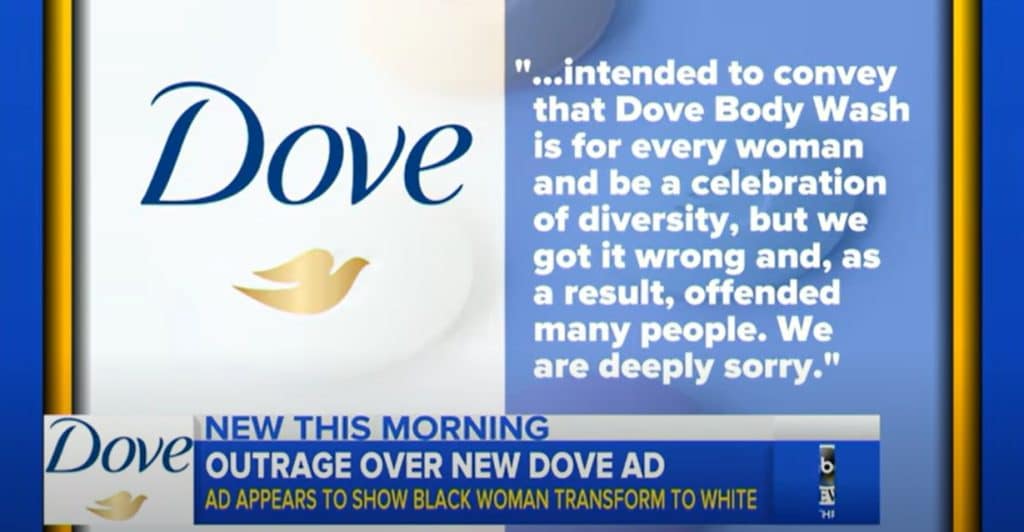
If you would like to delve into the whole history of the Dove campaign, I provide another very interesting link .
But Dove’s slips don’t end there, now let’s talk a bit about…
Body Positivity
We are still in 2017 and Dove decides, again on the wave of exploring so many types of beauty, decides to use packaging as a communication tool.
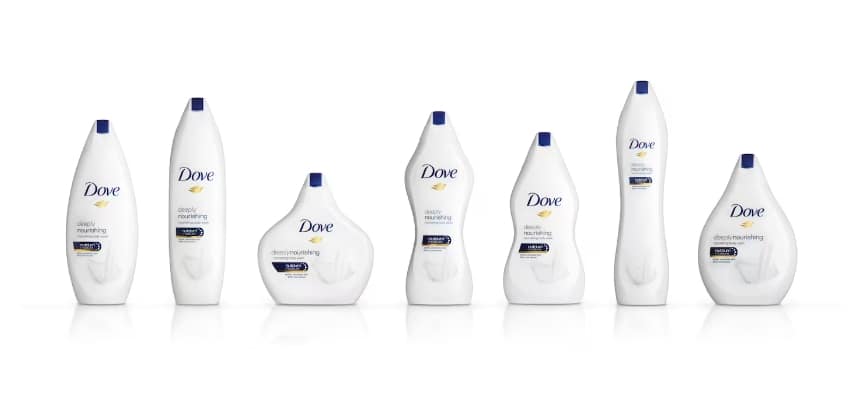
And guess what?
Expectation: “Beauty comes in all shapes and sizes.” [campaign tagline].
Reality: “I just want to use my body cleanser, I don’t want to be reminded that I’m pear-shaped.“
“Women don’t need to be categorized all the time.” [Social Responses]
Again, I provide a nice link to explore this further.
Dolce e Gabbana – Chopstick
Now I want to introduce you of a “horror story” campaign, both from a marketing and crisis management perspective.
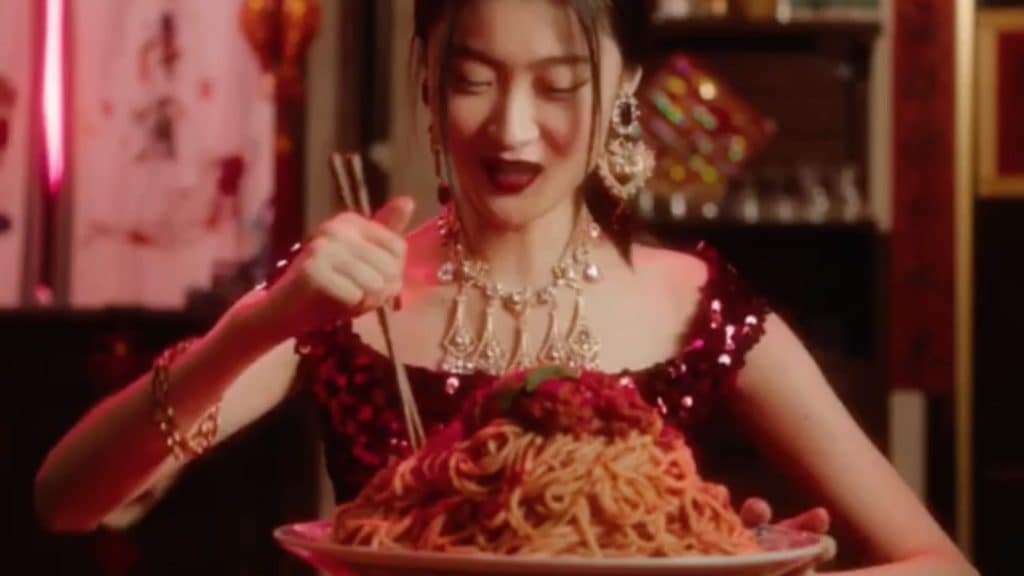
2018: In mid-November, Dolce & Gabbana launches three short videos on the Chinese social network Weibo to promote its upcoming fashion show in Shanghai, dubbed “The Great Show,” on Nov. 21.
According to Business Insider Italy, the company reported sales of 1.29 billion euros in the fiscal year ended March 31, 2018, with 25 percent of that coming from the Asia-Pacific region.
Would you like to see these commercials? Here is the link.
From China, social media exploded accusing D&G of racism, sexist jokes, no respect for Chinese customs and traditions, and use of stereotypical images. The full package.
Here’s how NOT to manage the crisis
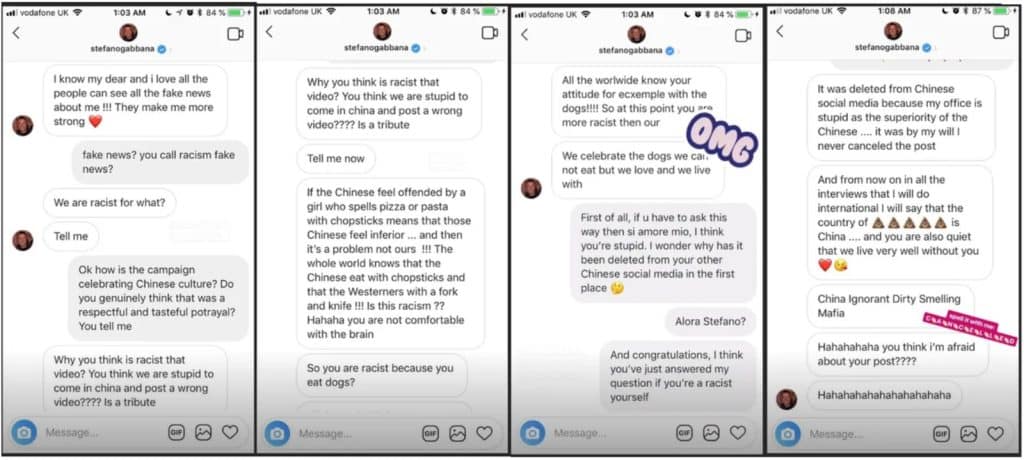
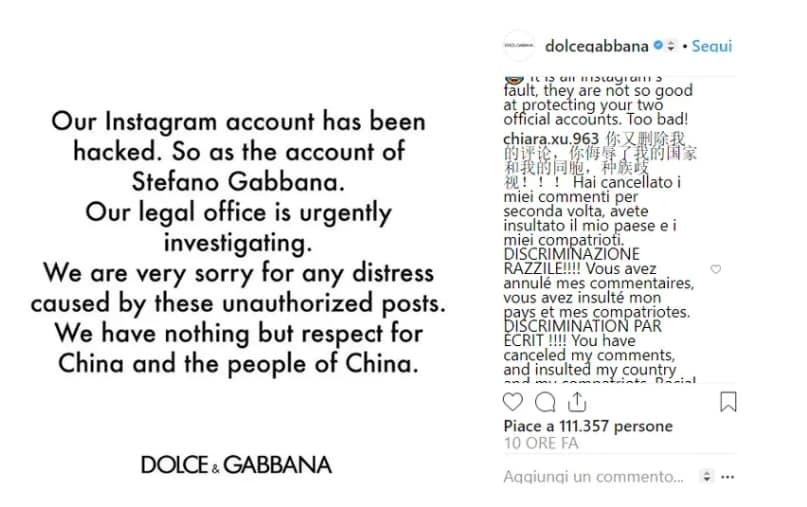
So what does Dolce & Gabbana teach us?
That it is not enough to fail in marketing communication! You can do worse, sticking to your positions, insulting more and then, even in the face of evidence, DENY DENY DENY! (Of course I am being sarcastic).
How did the story end?
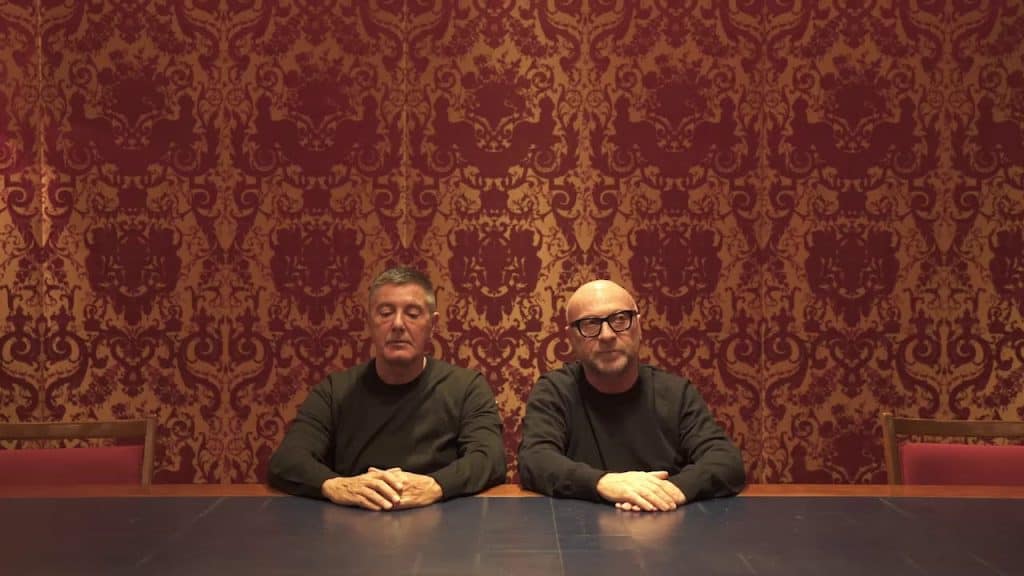
D&G was forced to cancel its Shanghai fashion show and its products were removed from several Chinese online retailers. Chinese consumers also called for a boycott of the brand.
And in the end, the two faces Stefano Dolce and Domenico Gabbana, were forced to make a public apology to try to limit the damage.